Some couples begin with a vision of flowers tumbling along a table. Others are imagining the whole celebration at once: the room, the meal, the music, and the way guests move through the day. Both are lovely places to start. The right creative partner depends less on the size of your wedding than on how much you want one team to help bring together.
Start with the work you need done
Make two short lists. On the first, write the decisions you are excited to make yourselves; on the second, note the details you would rather have help managing. Include design choices, sourcing, vendor communication, delivery, setup, and what happens after the celebration. Be honest about your time as well as your taste.
If your venue, rentals, catering, and entertainment are already in capable hands, a floral designer may be the focused specialist you need. If the pieces still feel disconnected, explore a broader event production or coordination scope. Titles vary, so let the actual responsibilities guide your choice.
When a floral designer is the right fit
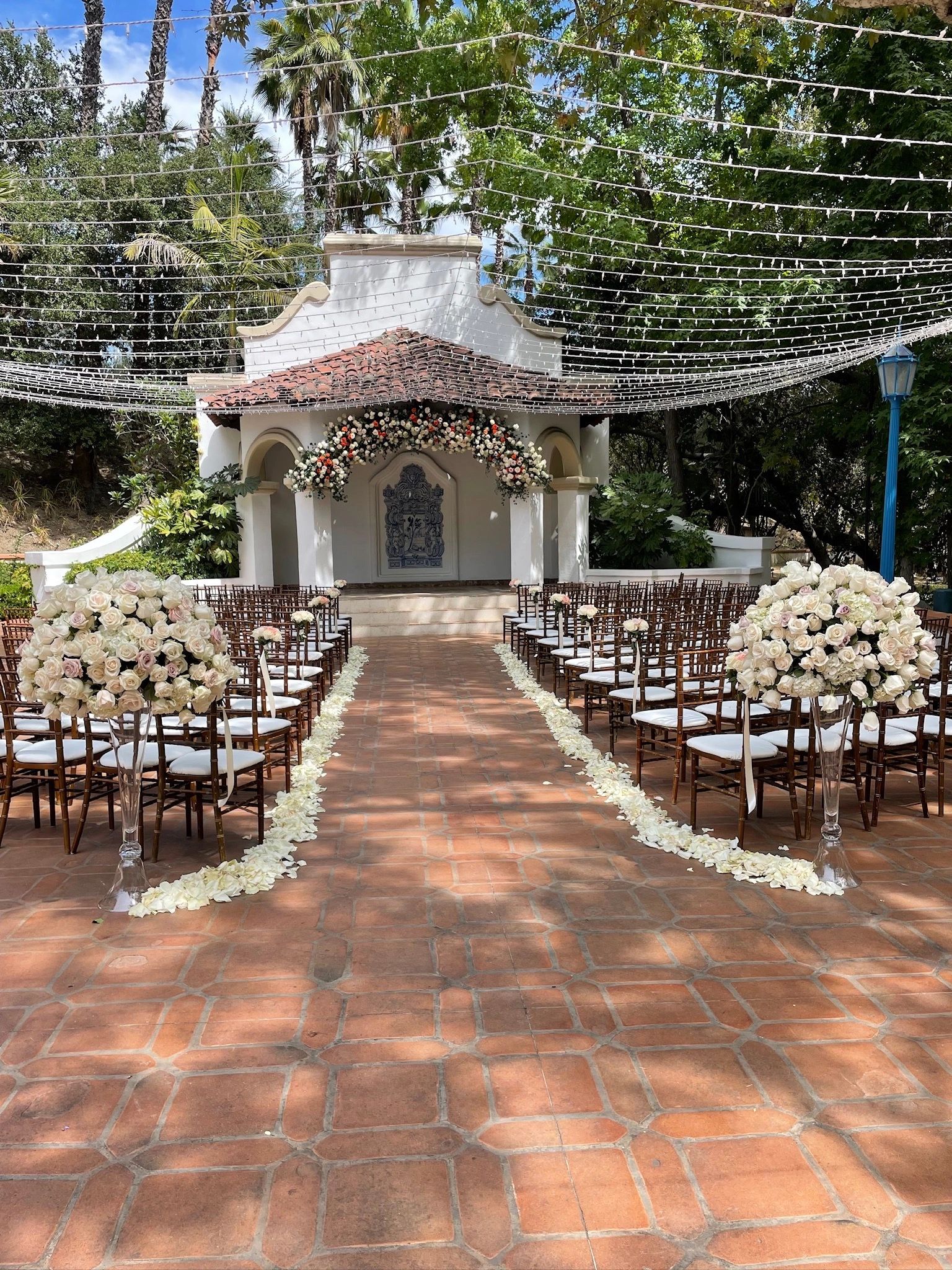
A floral designer concentrates on the botanical elements: discussing the mood and palette, suggesting a floral direction, and creating arrangements appropriate to the occasion. Depending on the agreement, the work may include personal flowers, ceremony arrangements, centerpieces, delivery, and installation. Ask what is included rather than assuming every designer handles each piece.
Bring a few reference images and explain what you love about them. Is it the airy shape, the restrained color, or the abundance of texture? Share your priorities and approximate budget, and stay open to seasonal alternatives. A clear brief gives your designer room to propose something that feels like you, without promising an exact bloom or recreating someone else's wedding.
When broader production may help
A full-service event producer can help connect more of the celebration's moving parts, though the scope differs by company. If you want a more integrated approach, ask about floral design; linens, tables, and chairs; DJs and bartenders; catering and beverage coordination; and venue sourcing and coordination. Find out which needs are handled directly, which are coordinated with others, and where your own decisions remain essential.
Request a written outline of responsibilities, from the first design conversation through event-day setup and breakdown. Confirm who communicates with each vendor, reviews the timeline, manages changes, and serves as your point of contact. A producer, planner, venue coordinator, and floral designer may have different roles, so identify any gaps or overlaps before signing.
Ask questions specific to your setting
In Orange County, a coastal ceremony, an inland garden, and an indoor reception each come with different considerations. Ask about wind, sun, access hours, loading rules, and any venue restrictions that could affect your plans. If you are moving between locations, discuss travel time and who is responsible for moving arrangements, if that is part of the plan.
Finally, compare proposals by scope, not just the bottom line. Look for clear deliverables, timing, payment terms, cancellation policies, and an explanation of how changes are handled. Choose the team whose responsibilities match your needs and whose communication makes you feel at ease. Thoughtful support should leave you freer to enjoy the celebration you are creating together.